
Welcome back!
All Courses

-
Online - Self Paced
- English
-
Instructor:
 Alison Pattison
 -
Modules
1
(Use and Administration of Epinephrine Autoinjectors) This course will teach you the signs and symptoms of anaphylaxis and how to care for a person having a severe allergic reaction, including how to administer epinephrine using an Epinephrine Auto-Injector.

-
Classroom
- Spanish
-
Instructor:
Alison Pattison -
Locations
4 -
Classes
0
El curso Uso y administración de autoinyectores de epinefrina enseña a los estudiantes las causas de las reacciones alérgicas graves y cómo reconocer y tratar la anafilaxia. Incluye cómo utilizar los autoinyectores de epinefrina, las consideraciones legales para administrar epinefrina y cómo prepararse para una emergencia anafiláctica.

-
Online - Self Paced
- English
-
Instructor:
Alison Pattison -
Modules
1
La mayoría de los trabajadores de servicios de salud y humanos que enfrentan los efectos de la fatiga por compasión generalmente recurren a hacer lo que siempre han hecho: trabajar más duro y dar más hasta que se agotan por completo. La fatiga por compasión no es solo un término “esponjoso” para referirse al agotamiento. Agota no solo tu mente y tu cuerpo, sino también la esencia misma de lo que eres como ser humano: tus emociones, tu alma. A menudo, tomando la forma de desdén por la fragilidad de la humanidad, este enemigo psicológico puede llevar a una persona, que en algún momento ingresó al campo de la atención médica por compasión, a alejarse cínica y hastiada. Ya sea que esté cuidando a un amigo o familiar con una enfermedad terminal o sea un profesional médico capacitado, la fatiga por compasión es uno de los adversarios más letales que puede enfrentar el personal de atención médica.
First Aid
- 00:00:00
-
Classroom
- English
-
Instructor:
Alison Pattison -
Locations
4 -
Classes
0
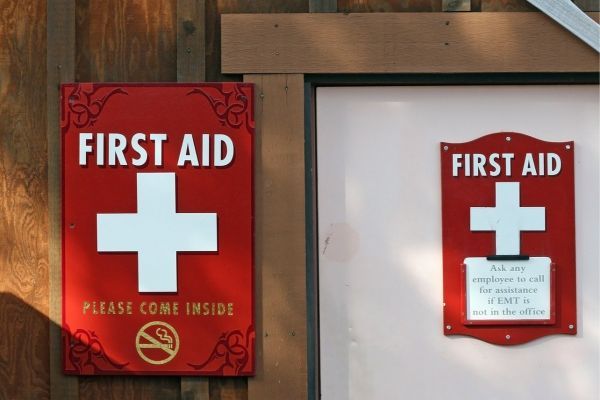
Course Content for First AidUsing of Personal Protective Equipment (PPE), shock, bleeding, diabetes, asthma, anaphylaxis, seizures, internal and external injuries, burns, poisoning, bites and stings, heat emergencies and cold emergencies. Duration: Approximately 2 hoursThis certification is valid for 2 years.Audience: Anyone needing a certification that specifically states “First Aid" WE CAN COME TO YOU!Call our office if you have alarge group and would like aninstructor to come to your facility.
First Aid Online Blended 22
- 00:00:00
-
Online - Self Paced
- English
-
Instructor:
Alison Pattison -
Modules
1
Basic First Aid for all ages. This class is an online class. This means the course is taken online, its a recorded class you can watch when you're ready. The skills are required in person at one of our 8 locations. You have 90 days to complete the skills training in person after completing the online course. Please go to AP.training to enroll in of the CPR AED and First Aide skills test out. You will only be required to test out in basic First Aid not CPR AED. Once you purchase the online course on the AP.training website, you will receive an email with in 24 hours from HSI (Health and Safety Institute)These emails may go to your junk or spam folder. The email with your course link DOES NOT come from APT, and you can not access the course from the APT website. The online course MUST be completed prior to the skills test out, we can not test you out unless the online portion is complete.
Free Family and Friends CPR Class
- 00:00:00
-
Classroom
- English
-
Instructor:
Alison Pattison -
Locations
1 -
Classes
0
Family and Friends CPR is for people who want to learn this life-saving skill, but do not need a CPR course completion card or certification to meet a job requirement. This course is for community groups, new parents, grandparents, and others interested in learning how to save a life.This is a classroom-based course that will be taught by a certified instructor to share the lifesaving skills of CPR with others. There is no charge for this course and no CPR card will be given (informational purpose only).
Free Family and Friends CPR Class
- 00:00:00
-
Classroom
- English
-
Instructor:
Alison Pattison -
Locations
1 -
Classes
0
Family and Friends CPR is for people who want to learn this life-saving skill, but do not need a CPR course completion card or certification to meet a job requirement. This course is for community groups, new parents, grandparents, and others interested in learning how to save a life.This is a classroom-based course that will be taught by a certified instructor to share the lifesaving skills of CPR with others. There is no charge for this course and no CPR card will be given (informational purpose only).
Grief and End of Life Issues
- 00:00:00
-
Classroom
- English
-
Instructor:
Alison Pattison -
Locations
4 -
Classes
0
-
Classroom
- English
-
Instructor:
Alison Pattison -
Locations
4 -
Classes
0
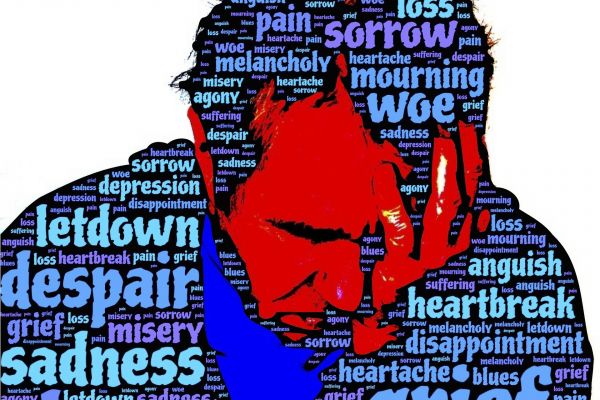
This class provides an overview to the physical, mental, and behavioral symptoms of grief. In addition, the class includes information about the dying process, hospice, cultural competency, and coping strategies to deal with grief and loss.
-
Online - Self Paced
- English
-
Instructor:
Alison Pattison -
Modules
1
One of the things that binds all humans together is the experience of both joy and sorrow in life. This is especially evident when working in the healthcare and human services field. In our profession, it is important and essential to understand the process of grief not only for others, but ourselves. It’s not as easy to provide excellent care in the bad times as it is in the good; but since grief and loss are part of the human condition, we need to be prepared to support our clients and their loved ones in times of grief, and also be able to manage our own emotions as we deal with people who are enduring sadness and loss. This course will familiarize you with the typical signs and patterns of grief and how to recognize them in others, give you strategies for helping clients face difficult times, and enable you to develop your own emotional management and coping strategies as a healthcare or human services worker. At the end of this course you will be filled with hope and gain a new understanding of grief and loss.

-
Online - Self Paced
- English
-
Instructor:
Alison Pattison -
Modules
1
In this course, we will discuss how grief affects members, their family and friends, and the caregiver. We will discuss the stages of grief and compare grief and mourning across cultures. We will learn how to best communicate with the bereaved, how to identify your own feelings of grief, and how to practice self-care.

-
Online - Self Paced
- English
-
Instructor:
Alison Pattison -
Modules
1
This class is for caregivers who are providing habilitation services. The course introduces the caregiver to the components of the ISP, self-determination, outcomes, teaching strategies and data collection. This is part 1 in a 3 part series.